
The Non-Toxic Rhinestone Glue Guide
Safe adhesives for every surface, including the one everyone struggles with: silicone
| FABRIC | GEM-TAC |
| GLASS / METAL / CERAMIC | WELDBOND |
| TUMBLERS / RHINESTONE CRAFTS | LIQUID FUSION |
| NAILS | MAKARTT UV GEL |
| SILICONE | SUGRU |
A lot of the "go-to" glues in the rhinestone world, think E6000, B-7000, and two-part epoxies, get their strength from solvents that come with real warnings on the label: strong fumes, ventilation requirements, and in some cases cancer warnings under California's Prop 65. If you're working at a table for hours, in a home studio, around kids or pets, or you're just sensitive to strong chemical smells, it's worth knowing there are genuinely non-toxic options that still hold up beautifully.
This guide leads with non-toxic picks organized by surface, then covers the stronger solvent-based glues at the end for anyone who decides they need that extra strength for a specific project, along with how to use them as safely as possible. Each glue below carries a hallmark: a green stamp means the manufacturer labels it non-toxic, a rust stamp means handle with more care.
Porous vs. Non-Porous
|
POROUS Fabric, wood, leather, cardstock. Tiny gaps the glue can soak into and grip. Forgiving to work with. |
NON-POROUS Glass, metal, hard plastic, ceramic. Smooth and closed, so glue only forms a surface bond. |
SILICONE Its own category. Low-surface-energy chemistry repels almost everything, non-toxic or not. |
Non-Toxic Glue by Surface
| Surface | Glue | Cure | Flex |
|---|---|---|---|
| Fabric, denim, dancewear | Gem-Tac | ~24 hrs | Yes |
| Heavier fabric, mixed trims | Fabric Fusion | 24 hrs | Yes |
| Glass, ceramic, metal, wood | Weldbond | 20 min / 24 hr | Slight |
| Tumblers, rhinestone crafts | Liquid Fusion | 24-72 hrs | Yes |
| Nails | Makartt UV Gel | 60-120 sec | Yes |
| Silicone, rubber | Sugru | 12-24 hrs | Yes |
Fabric, Wood & Leather
TOX

Beacon Gem-Tac
The classic choice for rhinestoning fabric. Water-based, mild odor comparable to school glue, dries clear and flexible so it moves with the fabric instead of cracking. Low viscosity means it won't soak through the weave or stiffen the garment.
VIEW ON AMAZON (PAID LINK) →TOX

Aleene's Fabric Fusion
A water-based, odor-free urethane adhesive with no stringing during application. Bonds well to nearly every fabric type plus glass and acrylic rhinestones, sequins, beads, and trims. Dry-cleanable once cured.
VIEW ON AMAZON (PAID LINK) →Glass, Metal & Ceramic
TOX

Weldbond
PVA-based and EcoLogo certified, made without formaldehyde, toxic metals, or excessive VOCs. Bonds an impressively wide range of hard materials, tacks in about 20 minutes, and cures to a clear, sandable, paintable finish.
VIEW ON AMAZON (PAID LINK) →TOX

Aleene's Liquid Fusion
Explicitly labeled non-toxic and formulated with rhinestone and diamond art crafting in mind. Non-foaming, low-odor, dries clear. A favorite in the tumbler and rhinestone community for skipping the strong smell of solvent-based glues.
VIEW ON AMAZON (PAID LINK) →Nail Rhinestones
TOX

Makartt UV/LED Rhinestone Gel
Labeled non-toxic and low-odor, made from a natural resin base. Only hardens under a UV or LED lamp, giving you time to nudge a stone into place before curing it in about two minutes. Used in professional salons.
VIEW ON AMAZON (PAID LINK) →The Surface Everyone Struggles With
Honest heads-up: most silicone-specific adhesives (Sil-Poxy, cyanoacrylate silicone glues) aren't labeled non-toxic. They carry eye and skin warnings and call for ventilation. If non-toxic is a hard requirement, here's your best bet.
TOX
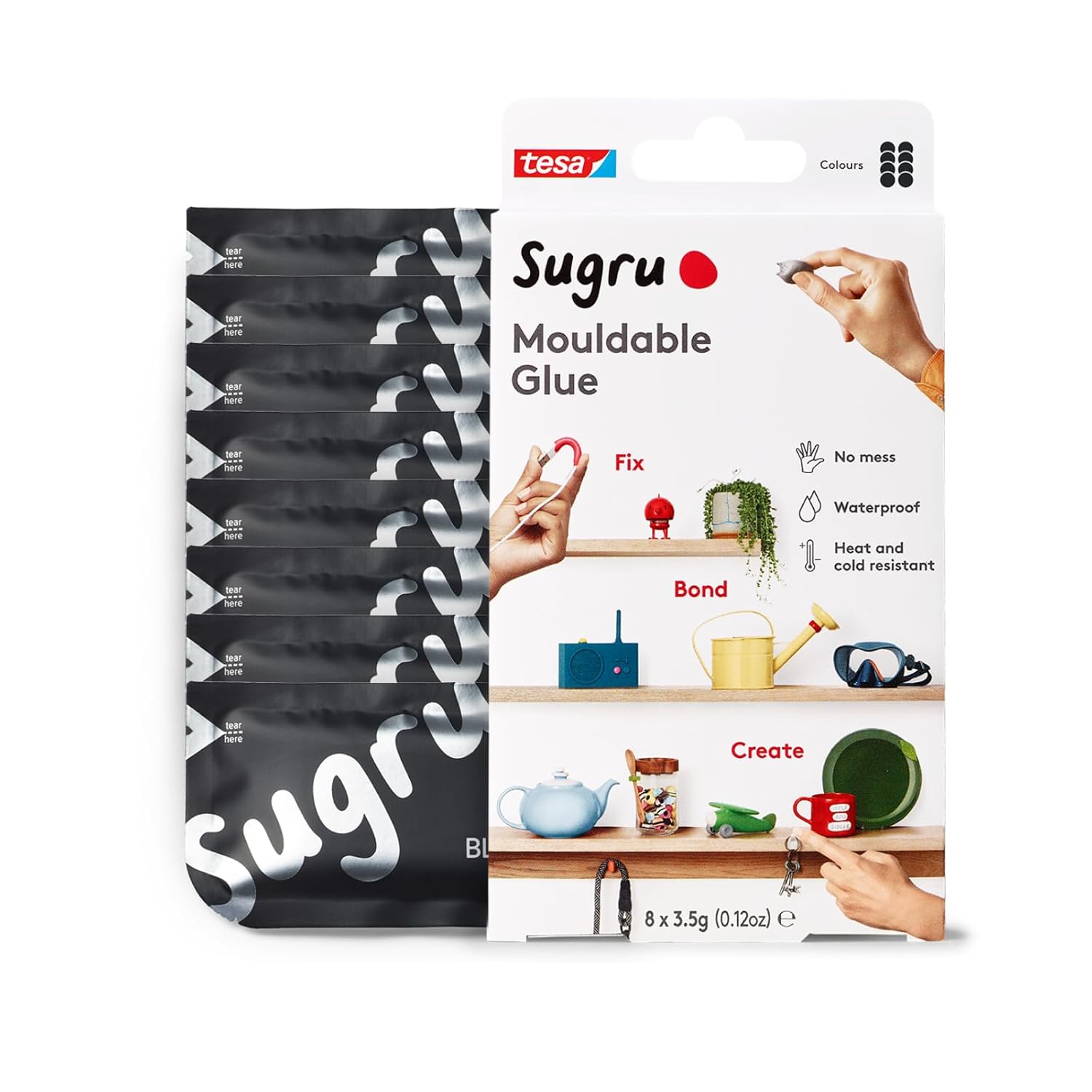
Sugru Moldable Glue
A moldable, skin-safe adhesive putty safe for kids 3+, curing into flexible silicone rubber over 12-24 hours. Since it starts like soft clay, it suits larger or chunky embellishments better than tiny flatback rhinestones placed one at a time.
VIEW ON AMAZON (PAID LINK) →Silicone Prep Checklist
| 1 | Clean with isopropyl alcohol to remove oils and residue |
| 2 | Lightly sand glossy silicone with 400-grit sandpaper |
| 3 | Wipe again with alcohol to clear away dust |
| 4 | Let the surface dry fully before placing anything |
| 5 | Expect occasional touch-ups since silicone flexes constantly |
The Stronger, Toxic Options
Sometimes a non-toxic glue won't get you the bond strength a project needs, especially for permanent installations, outdoor pieces, or surfaces that take a real beating. Here's what each stronger option is actually best for, and how to use it as safely as possible.
CAUTION

E6000
The industrial-strength standard for serious durability: bedazzled Crocs, heels, leather jackets, bags. Rubber-like cured finish stays flexible under stress, which is why it's hard to fully replace on tough materials.
VIEW ON AMAZON (PAID LINK) →CAUTION
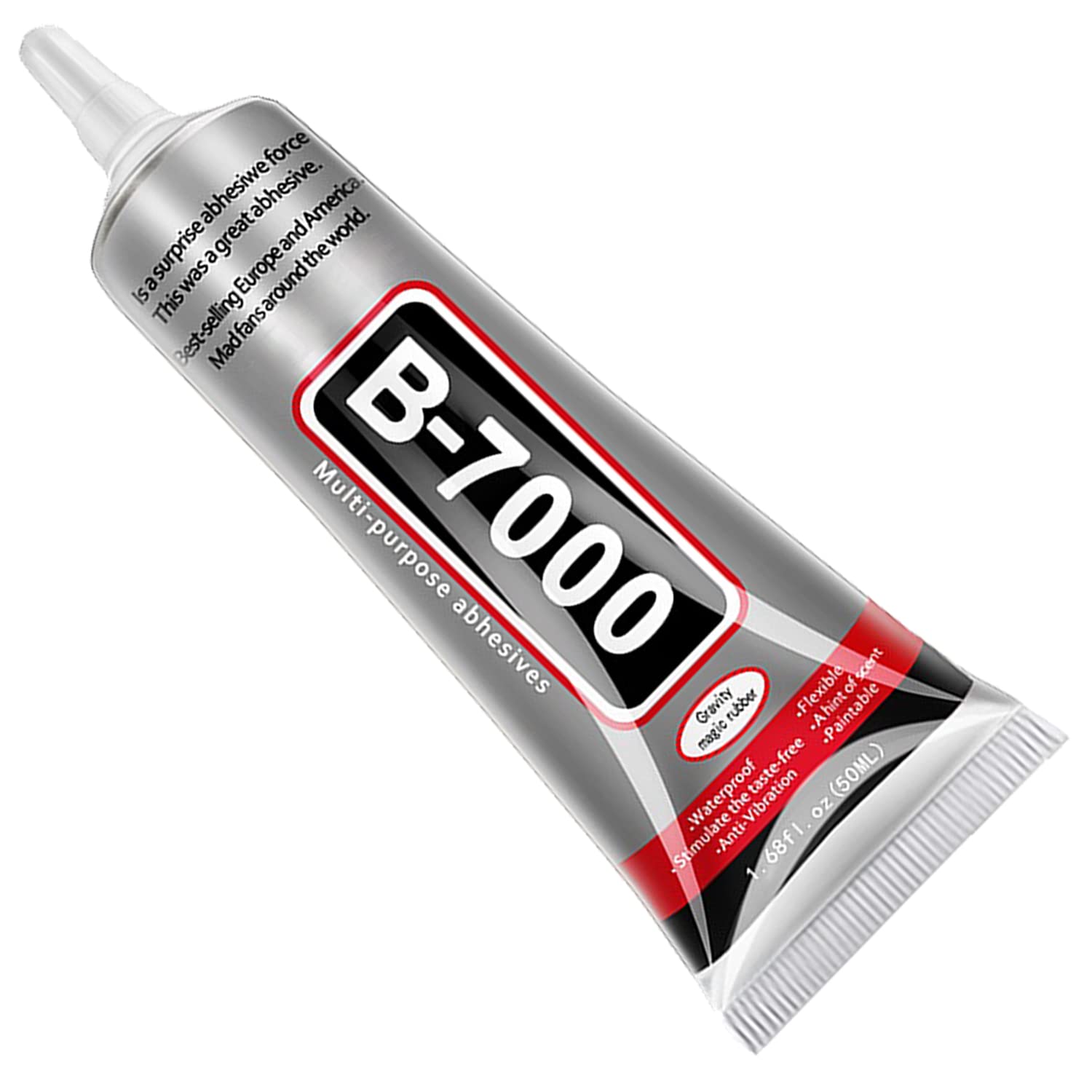
B-7000
Extreme stretchiness makes it a favorite for curved, semi-flexible surfaces that expand and contract with temperature and handling. Self-levels nicely for detail work.
VIEW ON AMAZON (PAID LINK) →CAUTION
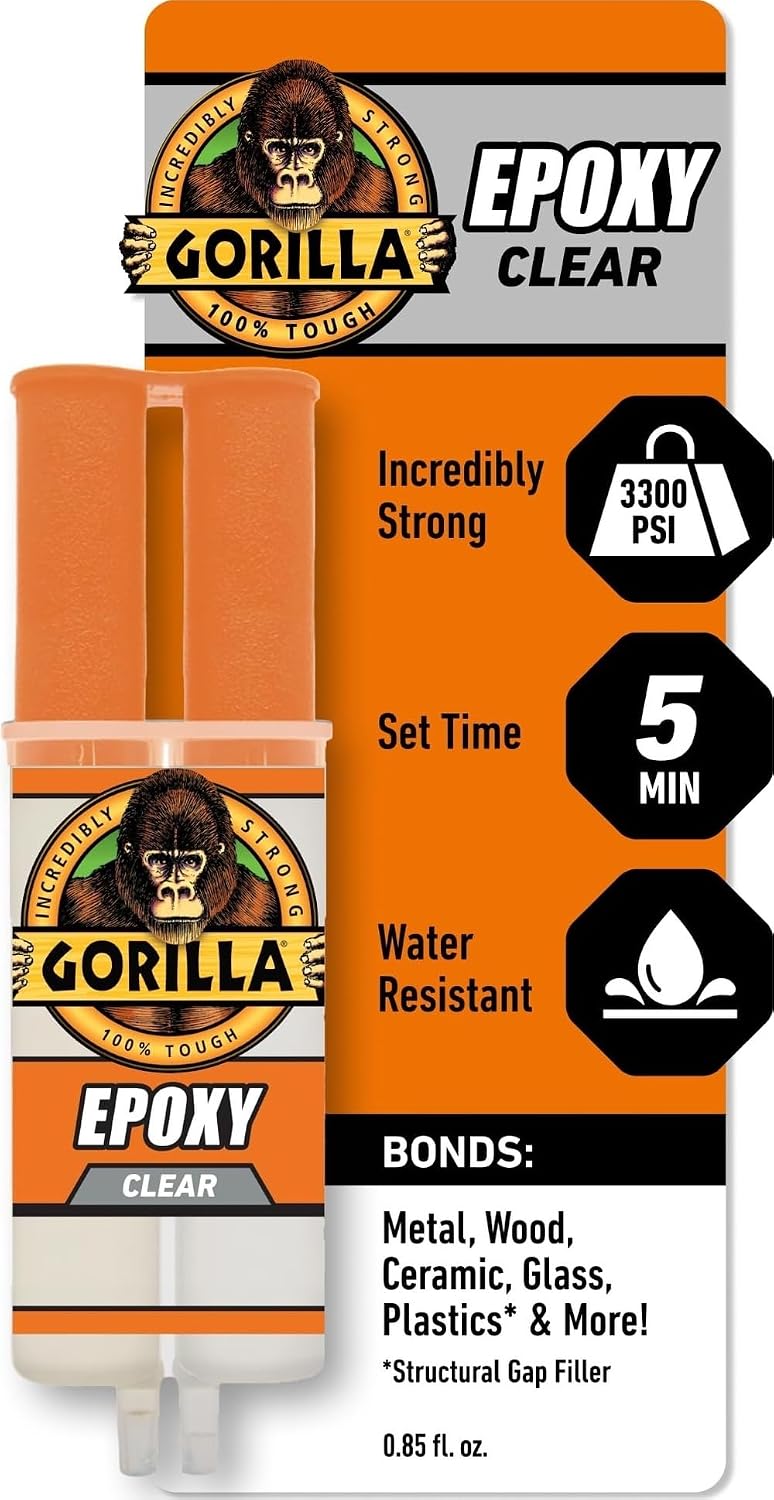
Two-Part Epoxy
The hardest, most permanent bond available for a rigid item, like a decorative vase, metal keychain, or hand-wash-only wine glass. Wrong choice for anything that flexes since it can crack under stress.
VIEW ON AMAZON (PAID LINK) →CAUTION

Sil-Poxy / Cyanoacrylate Silicone Glue
When Sugru's putty format isn't precise enough for tiny flatback stones, these are the adhesives actually built for silicone's low-surface-energy chemistry. Sil-Poxy is the standard for silicone-to-silicone bonding and mold repair.
VIEW ON AMAZON (PAID LINK) →Using These Safely
| ✦ | Ventilate the space — open windows, run a fan, or work outdoors |
| ✦ | Keep it away from kids and pets while open and curing |
| ✦ | Wear nitrile gloves , especially with epoxy and cyanoacrylate glues |
| ✦ | Avoid touching your face or eating and drinking while working |
| ✦ | Take breaks for fresh air during long sessions |
| ✦ | Let items cure in a ventilated space before bringing them into small rooms |
| ✦ | Check the label for Prop 65 warnings and first-aid instructions |
If you're pregnant, have asthma or another respiratory condition, or are sensitive to strong chemical odors, default to the non-toxic options above whenever the project allows, and save the stronger adhesives for situations where nothing else will realistically hold.
"Keep a small stash of these five glues on hand, and you're covered for nearly any rhinestone project that comes your way."
AS AN AMAZON ASSOCIATE I EARN FROM QUALIFYING PURCHASES. LINKS MARKED "(PAID LINK)" ARE AFFILIATE LINKS, WHICH MEANS I MAY EARN A SMALL COMMISSION IF YOU MAKE A PURCHASE THROUGH THEM, AT NO EXTRA COST TO YOU. I ONLY RECOMMEND PRODUCTS I TRUST FOR RHINESTONE WORK.
0 comments